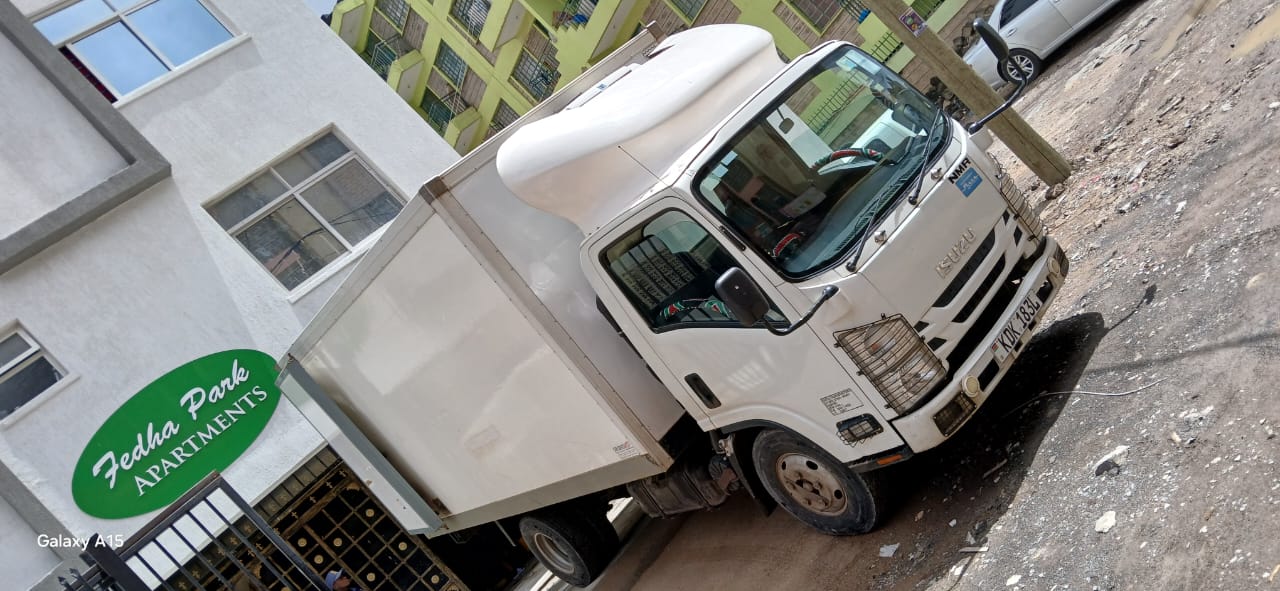
Moving over 100 kilometers is a different beast altogether. Unlike a local move where you can oversee things closely, a long-distance relocation requires meticulous planning, trust in your movers, and understanding the unique challenges of cross-county transportation.

1. Plan Your Timeline Early
Long-distance moves need more preparation time. Book your movers at least 4-6 weeks in advance, especially if moving during peak season. The longer lead time gives you breathing room to pack systematically, arrange time off work, and coordinate utility disconnections at your old place and connections at your new one.
2. Insurance Becomes Critical
The further your items travel, the more can go wrong. Make sure your movers offer comprehensive goods-in-transit insurance. Ask specifically about what's covered—electronics, furniture, artwork. Don't assume items are covered at full replacement value. Document everything with photos before packing.
3. Understand Pricing Models
Long-distance moves are typically quoted per kilometer or as a flat rate. Unlike local moves charged by hourly labor, long-distance pricing factors in fuel, driver time, and route logistics. Get detailed written quotes from multiple companies and ask about:
- Base rate plus per-kilometer charge
- Fuel surcharges (often variable)
- Packing material costs
- Insurance premiums
- Penalties for delays (rare, but clarify)
4. Choose Your Moving Date Wisely
Moving between counties? Avoid rainy season if possible—deteriorating roads can delay arrival and risk cargo damage. Mid-week moves are often cheaper and have fewer delays than weekend bookings. Coordinate with your landlord or real estate agent to ensure both properties are ready on schedule.
5. Prepare Your Items for Transit
Long journeys mean more jostling. Pack boxes more densely than for local moves, use sturdy boxes rated for stacking, and wrap fragile items generously. Disassemble furniture when possible to reduce size and weight. Mark boxes clearly with destination room and contents.

6. Stay in Communication
Ask your movers for a contact person and regular check-ins during transit. Many professional companies provide GPS tracking or call ahead a few hours before arrival. This reduces anxiety and lets you coordinate who'll be at the new address to receive the shipment.
Long-distance moving is an investment in your peace of mind. Choose experienced movers, get everything in writing, and remember: the slightly higher cost of a reputable company is worth every shilling.